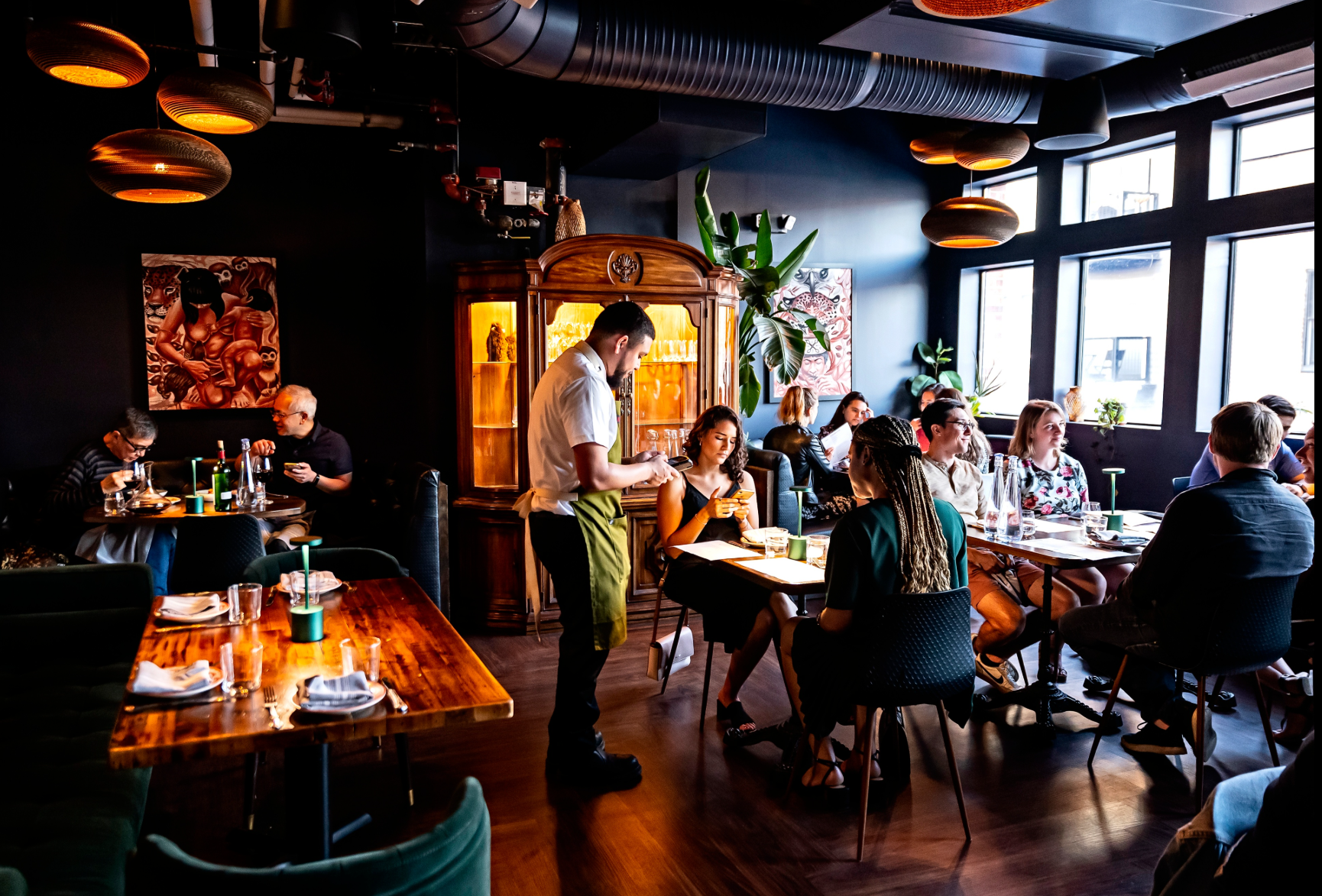
Culture does not scale by accident. In hospitality, it is either engineered with intent or diluted by growth.
Walk into a single, stand-alone food business, think of the energy inside places like Dishoom in its early days, or the cult following built by Honest Burgers when it was still new and founder-led. What you feel is not just food quality. It is a belief. It is behaviour. It is rhythm. The music, the way the team greet you, how the plate lands on the table, the pride in explaining provenance, all of that is culture made visible.
In a single site, culture is often instinctive. It lives in the owner’s presence. It shows up in how standards are corrected, how suppliers are chosen, and how staff are treated at 10 pm on a busy Saturday. The customer may not articulate it, but they sense it immediately. They know whether this place stands for something.
The challenge begins when that one brilliant site becomes five, then twenty, then a national footprint. Look at brands that now dominate the high street, such as Nando's or Five Guys. Their consistency is not luck. Their culture has been codified. It has been trained. It has been measured. It has been protected.
For the guest, culture comes down to three things that stand out.
First, emotional consistency. The welcome feels the same in Glasgow as it does in London. Not robotic, but recognisable. The tone, the pace, and the energy are familiar without being stale.
Second, operational confidence. Food arrives hot. The menu makes sense. The team know what they are talking about. Culture, in this sense, is a discipline. It is mise en place as a mindset, not just a kitchen task.
Third, visible pride. Cleanliness. Presentation. A manager who circulates the floor. A team that looks engaged rather than managed. Culture is the difference between a shift being endured and a service being delivered with intent.
Scaling culture requires structure. It means translating founder values into behaviours. It means recruiting based on attitude, not just availability. It means training that explains “why”, not just “how”. It means leaders who protect standards even when margin pressure bites. Especially when it bites.
Many brands scale product. Fewer scale beliefs.
In the current climate, where customers are value-driven and time-poor, culture becomes a commercial advantage. When price points tighten across the high street, what remains defensible is experience. Guests will forgive a 50p variance. They will not forgive indifference.
Culture does not live in a brand deck or a values poster in the staff room. It lives in daily decisions in labour scheduling that enable proper handovers, in prep standards that protect quality, and in leaders who coach rather than criticise.
For a solo operator, culture is your identity.
For a growing brand, culture is your operating system.
And for the customer, culture is the silent signal that says: this place knows who it is.